 blog
Drywall Finishing Services in Sacramento: What to Expect
Table of Contents
- What Drywall Finishing Services in Sacramento Actually Include
- Drywall Finish Levels and Paint Readiness
- Drywall Finishing Cost: What Drives the Estimate
- Drywall Texture Matching for Repairs and Remodels
- Drywall Repair Sacramento: Water Damage, Cracks, and Ceilings
- How to Compare Drywall Finishing Bids and Contracts
- Timelines, Cleanup, and What a Good Crew Looks Like
- Conclusion
- Frequently Asked Questions
Last Updated: October 21, 2026
What Drywall Finishing Services in Sacramento Actually Include
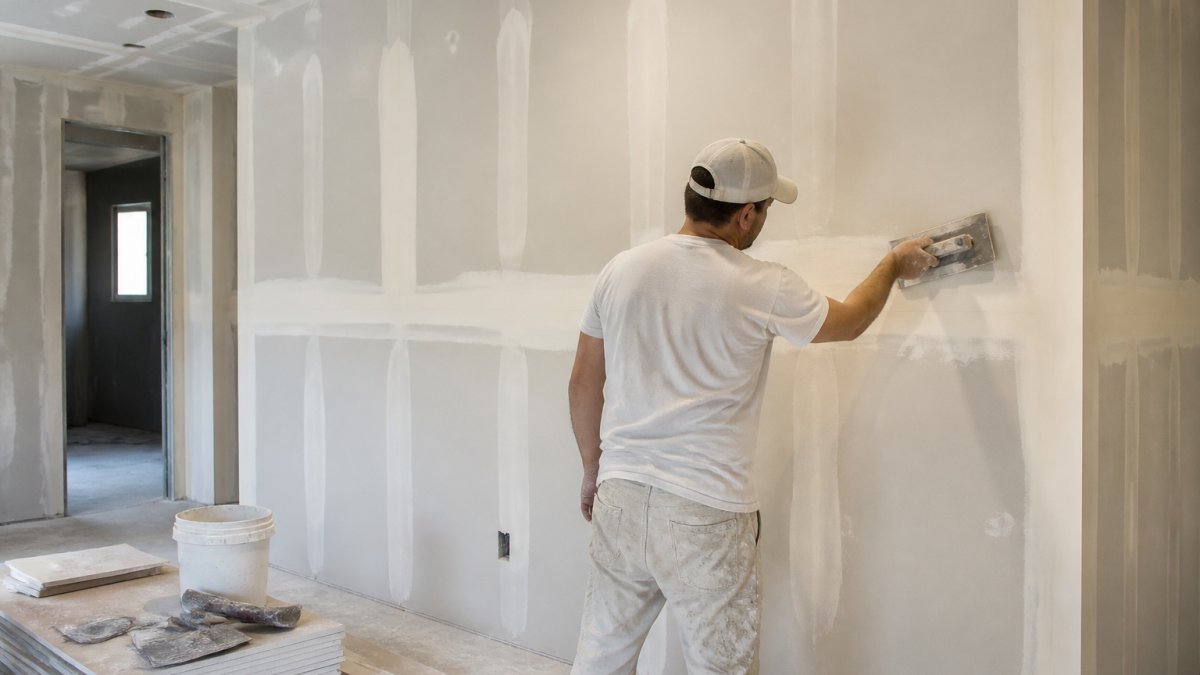
Drywall finishing is the stage between hanging wallboard and painting: taping seams, embedding tape in joint compound, building out corners, applying successive coats of mud, sanding smooth, and priming for paint.
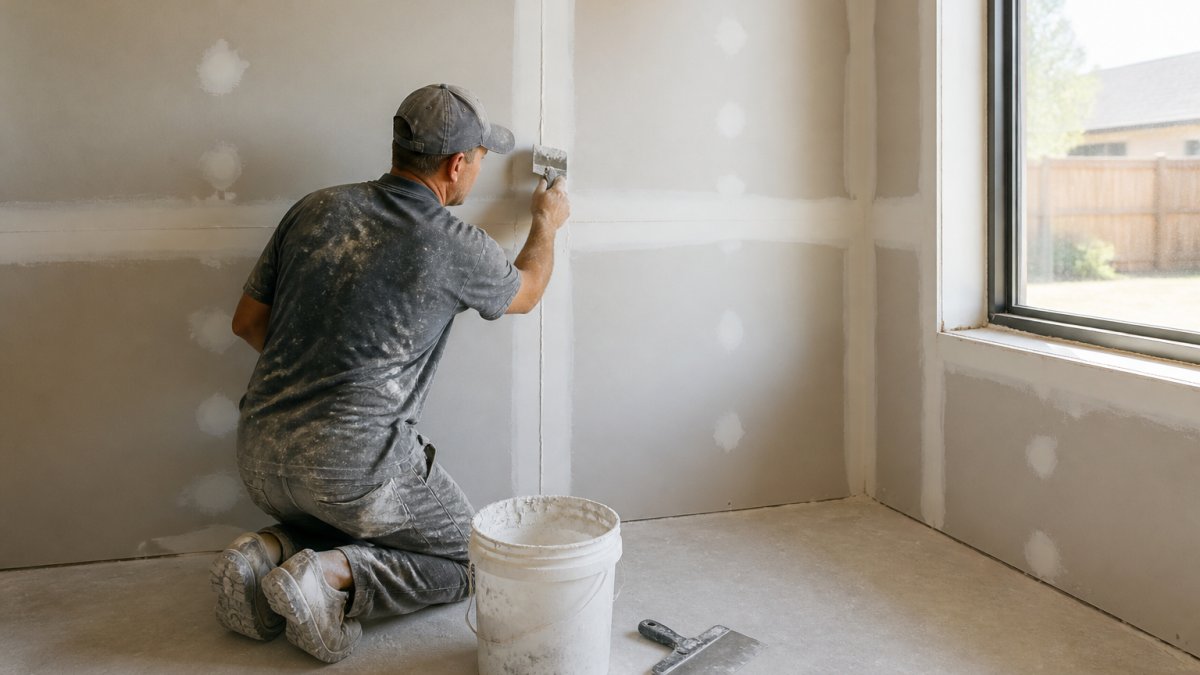
At The Drywall Expert, we have worked this trade since 1999, and the scope question is the one homeowners ask first. Here is the honest answer: a real finishing job includes seam taping, corner bead and finishing, three coats of compound on most surfaces, sanding, and cleanup. Drywall finishing is not a single visit with a mud pan.
What separates a good crew from a cheap one is the parts nobody photographs: how much they build out each coat, whether they sand between coats, and whether they leave the room cleaner than they found it. We treat cleanliness as part of the finish, not an extra.
Drywall Finish Levels and Paint Readiness
Finish levels run from 0 to 5 under ASTM C840 standard practice for gypsum board application, and the level you pay for determines what paint will hide. Level 1 is fire-taping only, hidden in attics. Level 4 is the standard for most homes: three coats over seams and corners, ready for a flat or low-sheen paint. Level 5 adds a skim coat across the entire surface and is what you want under gloss paint, in rooms with strong side light, or where a critical eye will scan the wall.
Most homeowners never hear the word "level" until something looks wrong after painting. That is the gap we close in the estimate: we tell you which level the room needs and why, before the mud goes on.
- Level 3: tape embedded, suitable under heavy texture
- Level 4: standard residential finish, flat paint
- Level 5: full skim coat, gloss paint and harsh lighting
If a bid does not name a finish level, you cannot compare it to another bid. Ask.
Drywall Finishing Cost: What Drives the Estimate
Pricing for drywall finishing depends on square footage, ceiling height, the number of corners and openings, the finish level, and whether the job is new board or a repair blended into existing texture.
A useful way to read a bid is to separate labor from materials. Joint compound, tape, corner bead, and sanding supplies are a small share of the total; the rest is skilled time, taping, coating, sanding, and texture matching.
What a written estimate should include. Ask for each of these as a separate line so bids are comparable:
- Measured wall and ceiling area, with the measurement method stated (wall area versus floor area)
- Finish level named per room (see the finish-level section above)
- Texture match method and whether a sample will be approved before finishing
- Protection and cleanup scope, plastic containment, floor protection, vacuum sanding
- Staging and access for vaulted or two-story ceilings
- Schedule with drying time between coats built in
- Payment schedule tied to milestones, not to a deposit alone
Repair versus full-room finishing. A repair estimate is priced on blending, not on area. The finisher has to match an aged texture, feather the patch into surrounding paint, and often work around furniture and occupied rooms.
We give free estimates and put the scope in writing: rooms, finish level, texture match, and cleanup included. Ask every contractor the same questions and the bids become comparable.
| Cost Driver | Why It Moves the Price | What to Ask |
|---|---|---|
| Square footage | More wall means more mud and sanding | Is the measurement wall area or floor area? |
| Finish level | Level 5 adds a full skim coat | Which level is this bid written for? |
| Texture matching | Matching an existing pattern takes skill and time | Will you sample the match before finishing? |
| Access and height | Vaulted ceilings need staging | Is staging in the quote? |
| Repair vs. new | Blending into aged walls is slower | How will you feather the patch? |
| Occupied home | Furniture moving and containment add time | What protection is included? |
Drywall Texture Matching for Repairs and Remodels
Texture matching is the repair skill that separates a professional from a patch job. Knockdown, orange peel, and hand-troweled finishes each have a rhythm, and a good finisher pulls a sample on scrap board and compares it under the room's own light before touching your ceiling.
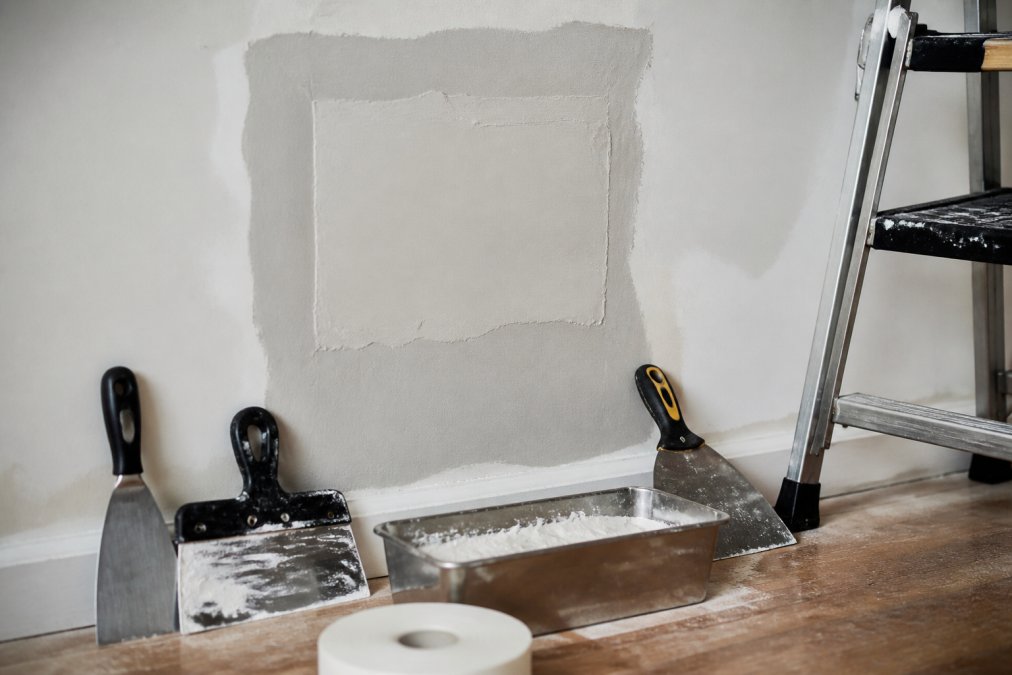
This is where DIY repairs usually fail. A homeowner patches a hole, sprays texture from a can, and the repair reads as a bright rectangle because the pattern is too uniform and the sheen is wrong. Matching takes a practiced hand and the right compound consistency.
Popcorn ceiling removal is the other texture job we handle often, and it comes with a caution: ceilings installed before the late 1970s may contain asbestos. Have the material tested before anyone scrapes it. That is not a step to skip to save a day.
Drywall Repair Sacramento: Water Damage, Cracks, and Ceilings
Water damage is the repair we see most, and the drywall is usually the least of it. Stained ceiling board means moisture got in, so the leak gets fixed first, the cavity dries, and only then does the board come down. Patching wet drywall over an active leak guarantees a repeat visit.
Hairline cracks along seams and corners are common and often cosmetic, but a crack that keeps returning after patching points to movement or moisture behind the wall. We look at why it cracked before we fill it.
Ceiling repair is its own job. Overhead work means staging, containment, and a crew that expects gravity to send dust downward. Our customers tell us the cleanup matters as much as the finish, and we plan for it: plastic containment, floor protection, and a vacuum at the sanding stage rather than a broom at the end.
- Leak repaired and cavity dry
- Damaged board removed and replaced
- Seams taped and coated to match surrounding level
- Texture sampled and matched
- Room cleaned and debris removed
How to Compare Drywall Finishing Bids and Contracts
A comparable bid names the finish level, the texture match method, the cleanup standard, the timeline, and the payment schedule. If any of those are missing, the quote is a number, not a scope. Get at least three bids on the same written scope and compare line by line.
Licensing and insurance are where homeowners get hurt. In California, contractors must be licensed through the Contractors State License Board, and you can verify a license number, bond, and insurance status on the board's site before signing. Ask for a certificate of insurance and confirm it is current. A written contract should state the scope, the price, the schedule, and what happens if the work does not pass your inspection.
Timelines, Cleanup, and What a Good Crew Looks Like
Timelines depend on drying time between coats, and no honest contractor promises to beat it. Most repair jobs run a few days because compound has to cure between coats, and rushing that step is how seams telegraph through paint.
The coat-by-coat sequence. A typical finishing job moves through these stages, with drying time between each:
- Preparation, furniture moved or covered, floors protected, openings sealed with plastic containment.
- Taping and embedding, seams taped and embedded in compound; corner bead set. This coat must dry before the next.
- Fill coat, second pass over seams and corners to build them out flush.
- Finish coat, third pass to bring the surface to the specified level; Level 5 adds a full skim coat across the wall.
- Sanding, done with a vacuum-assisted sander to keep dust contained, then inspected under the room's own lighting.
- Texture and touch-up, texture sampled and approved, then applied and feathered into surrounding surfaces.
- Final walk-through and cleanup, debris removed, surfaces wiped, room returned to usable condition.
Drying time is the variable homeowners underestimate. Compound cures on its own schedule, and humidity slows it. A crew that stacks coats too fast saves a day and costs you a wall that shows every seam under paint.
What disruption actually looks like. Expect dust containment, some noise during sanding, and rooms that are unusable while compound dries. If you are preparing a home for listing, tell us the deadline up front, we schedule around real estate timelines because a stalled repair can hold up a closing.
What a good crew looks like is unglamorous. They show up when they say, protect your floors and furniture, keep dust contained, speak to you respectfully, and leave the room swept and wiped down.
Seniors and military households in the area ask us about discounts, and we offer them. A fixed income should not mean living with a cracked ceiling.
Conclusion
The hard part of hiring drywall finishing services is not finding someone with a truck and a mud pan. It is finding a crew that names the finish level, matches your texture, verifies its license, and cleans up like it is their own house.
That is the standard we built The Drywall Expert around: more than two decades in the trade, free written estimates, senior and military discounts, and a finish we stand behind. Get a free quote and we will walk the room with you, name the finish level it needs, and put the scope in writing before any mud goes on the wall.
Frequently Asked Questions
What does a drywall finishing service include?
Finishing covers everything after the boards go up: taping seams, embedding corner bead, applying joint compound in coats, sanding, and texture work. A crew should also protect floors, mask openings, and clean up dust when done. Ask whether demolition, haul-away, and priming are included or billed separately, since those items change the scope and the price. Get the included steps listed in writing before work starts so nothing gets added mid-project.
How much do drywall finishing services cost?
There is no single rate, because drywall finishing cost depends on square footage, ceiling height, finish level, texture matching, and access. Water damage and ceiling repairs add labor for cutting out and replacing board. Request a written estimate that separates materials, labor, and any texture or priming work, then compare two or three bids on the same scope. The Drywall Expert offers free estimates, and you can find more information about pricing on our website.
Can a drywall contractor match existing texture?
Yes, experienced finishers match knockdown, orange peel, and popcorn textures by testing a sample on scrap board before touching your wall. Matching is harder on older homes where the original texture has aged, so expect a small test patch and a walkthrough under normal lighting. Ask the contractor to show you the sample before full application, and confirm the quote names the texture type so there is no surprise at the end.
How long does drywall finishing take?
Drying time between coats sets the schedule more than labor does. A single room repair can finish in one to two days, while a full remodel or popcorn ceiling removal may run several days to a week depending on humidity and coat thickness. Ask for a start date, a finish date, and how many crew members will be on site. Confirm the cleanup plan too, since dust control affects how much of your home stays usable during the job.