 How-to
Drywall Contractors for Real Estate: What Agents Need
Table of Contents
- Why Drywall Contractors for Real Estate Work Is Different
- Questions to Ask a Drywall Contractor Before You Hire
- What a Drywall Contractor Estimate Should Include
- How to Read Drywall Finishing Levels for Listing Photos
- Drywall Project Timeline: What Agents Can Realistically Promise
- How to Vet Drywall Contractors for Real Estate Without Wasting a Week
- Frequently Asked Questions
Last Updated: October 16, 2026
Why Drywall Contractors for Real Estate Work Is Different
A listing with a cracked ceiling or a fist-sized hole in the hallway doesn't just look bad in photos. It signals deferred maintenance to every buyer who walks through. That's why drywall contractors for real estate work on a different set of rules than a general home repair, and why The Drywall Expert has spent more than 20 years handling both sides of that equation.
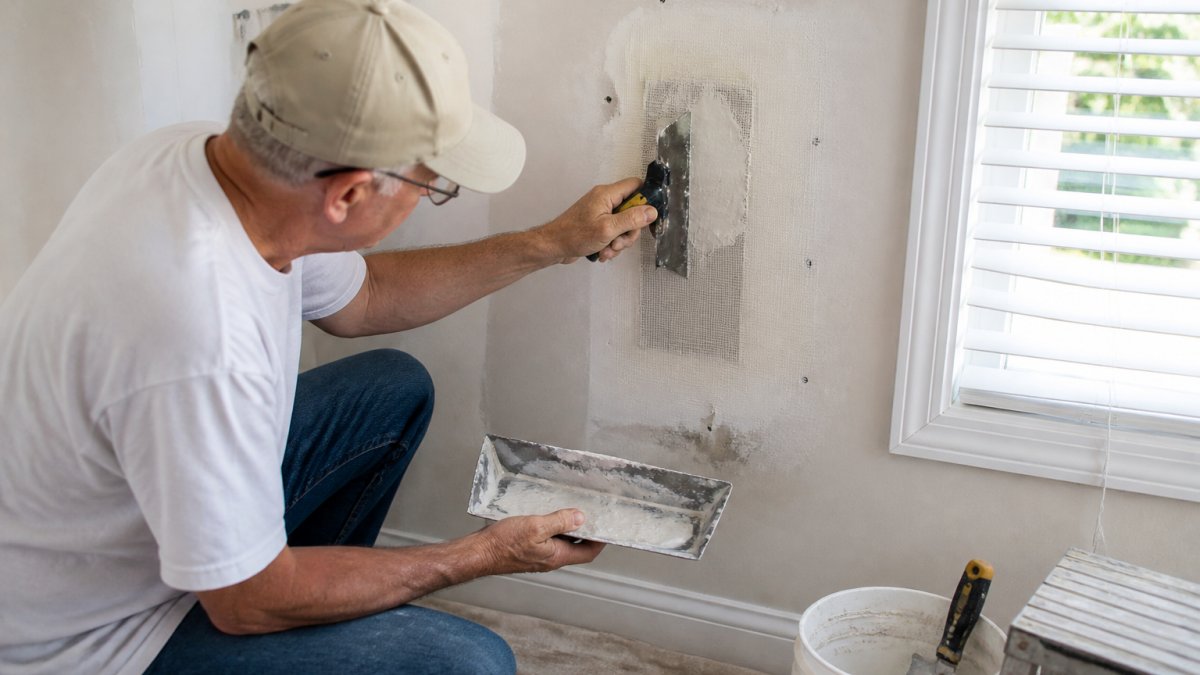
Drywall repair for real estate is the practice of fixing wall and ceiling damage specifically to prepare a property for listing, showing, or closing, with a focus on speed, photo-readiness, and matching existing textures. The goal isn't a perfect forever-wall. It's a wall that photographs clean and passes a buyer's walkthrough without raising questions.
The stakes are higher than most sellers realize. A visible patch job can cost a seller negotiating use at the exact moment they need it most. Agents who understand the difference between a repair that sells and one that waits protect their client's bottom line.
Repairs That Sell vs. Repairs That Wait
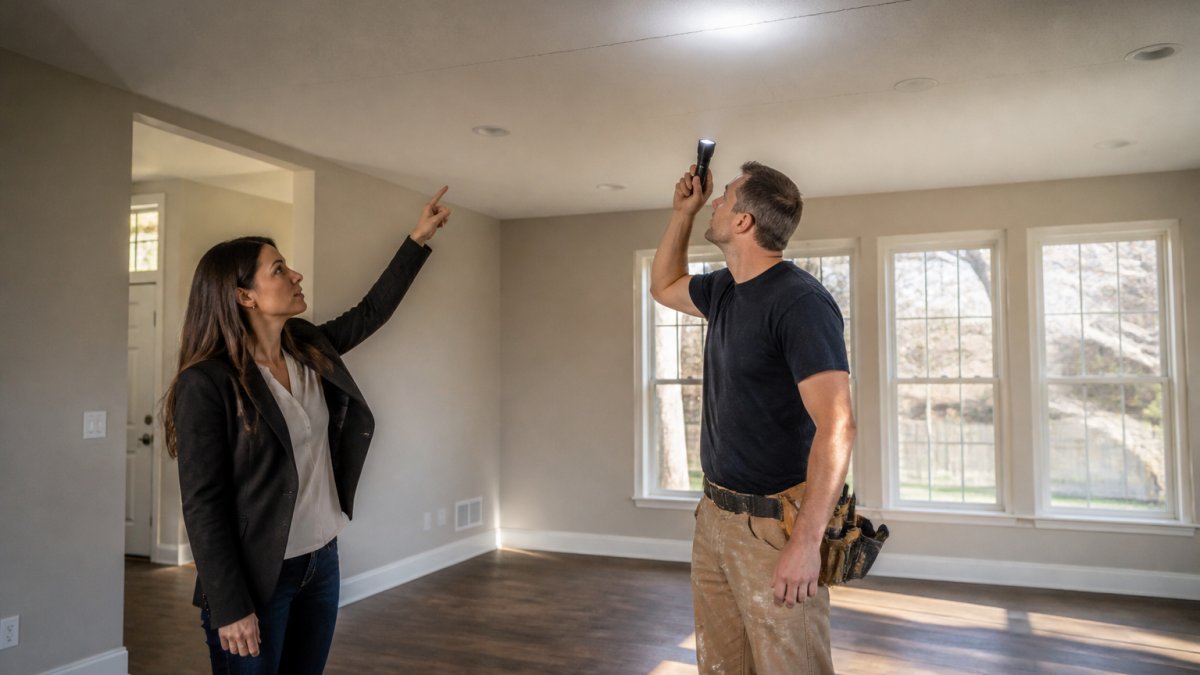
Not every flaw needs fixing before a listing goes live. Some damage actively costs money at the negotiating table. Other damage is cosmetic noise that a buyer will overlook or plan to change anyway.
Repairs that sell:
- Water stains on ceilings or walls, because buyers assume the worst about hidden moisture
- Holes larger than a doorknob, which read as neglect
- Cracks near door frames or corners, which suggest structural movement
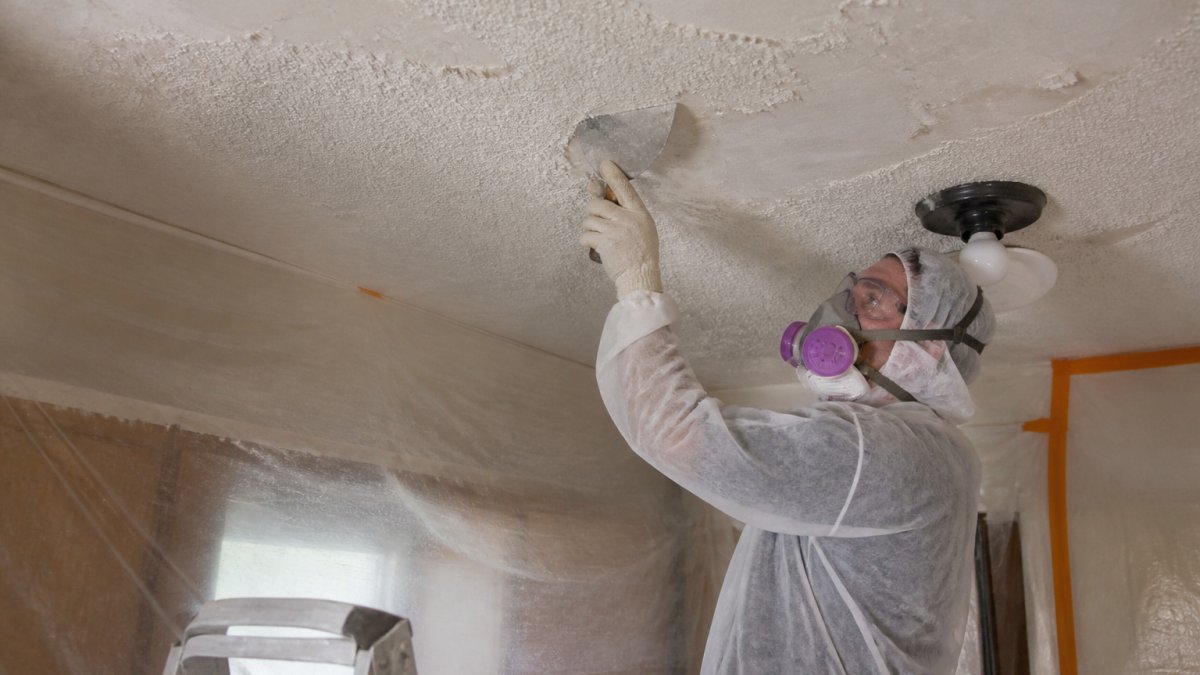
- Failed texture patches from a previous DIY attempt
Repairs that wait:
- Minor scuffs that paint will cover
- Nail holes from removed pictures
- Cosmetic imperfections in rooms the buyer plans to remodel
The distinction matters because every repair dollar comes out of the seller's proceeds. Spend it where it changes a buyer's perception.
Questions to Ask a Drywall Contractor Before You Hire
The right questions separate a contractor who understands listing deadlines from one who treats your job like a filler project between bigger builds. Ask these before you sign anything.
- How long have you been doing this? Experience shows in texture matching and clean edges.
- Can you match the existing texture? This is the single hardest part of a repair.
- What's your cleanup process? Drywall dust travels.
- Do you offer a written estimate? Verbal quotes lead to surprise invoices.
- What's your guarantee? A contractor who stands behind the work will say so in writing.
- Can you hit a listing deadline? Get a specific completion date, not a range.
At The Drywall Expert, we offer free estimates. For agents on a tight timeline, that first conversation tells you a lot about how the rest of the project will go.
What a Drywall Contractor Estimate Should Include
A drywall contractor estimate is a written breakdown of labor, materials, and scope that tells you exactly what the job covers and what it doesn't. If your estimate is a single number on a text message, you don't have an estimate. You have a guess.
A real bid protects both sides. It locks in scope, prevents change-order arguments, and gives you something to compare against other quotes.
Line Items That Signal a Real Bid
Look for these line items in any written estimate:
| Line Item | What It Tells You |
|---|---|
| Square footage of repair | Confirms the contractor measured the actual damage |
| Materials breakdown | Shows whether they're using the right board thickness and joint compound |
| Texture match method | Reveals whether they'll spray, roll, or hand-trowel to match |
| Primer and paint | Tells you if the repair includes finishing or stops at mud |
| Cleanup and disposal | Confirms debris removal is included, not billed later |
| Timeline with dates | Gives you a completion date you can hold them to |
How to Read Drywall Finishing Levels for Listing Photos
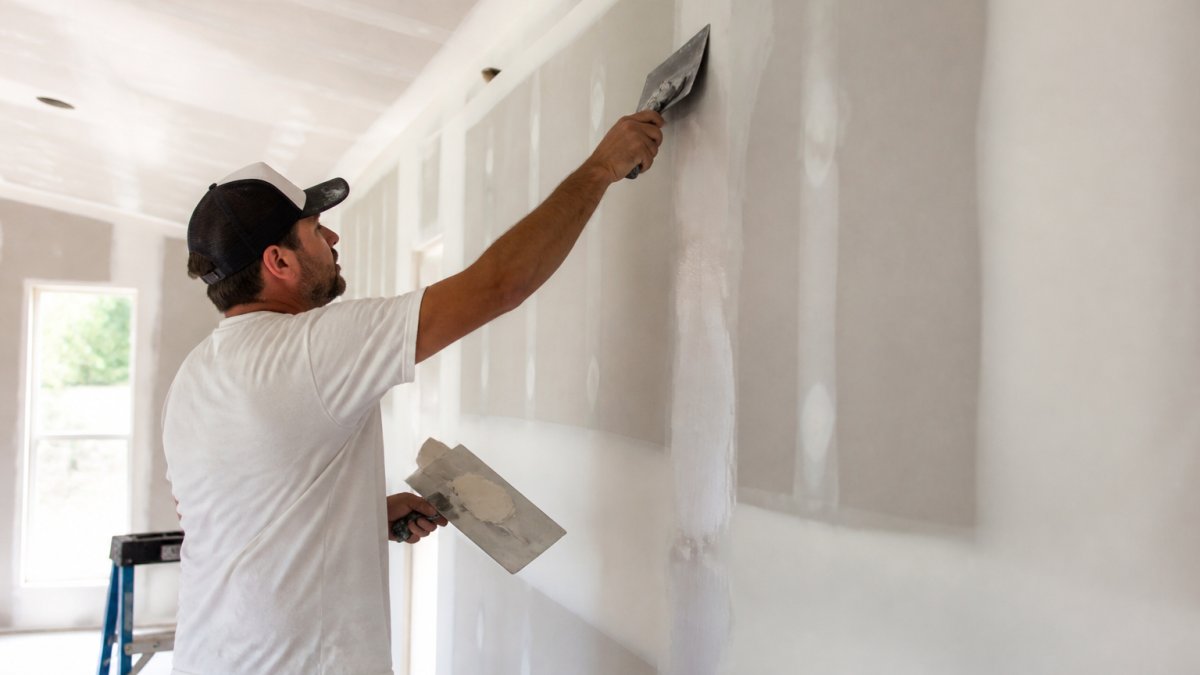
Drywall finishing levels describe how smooth a wall is finished, and they matter because listing photos expose every flaw under bright light. The industry uses a numbered scale from Level 0 to Level 5.
- Level 0: Unfinished board, no taping. Never used in a listing.
- Level 1: Taped joints only, for areas that will be hidden.
- Level 2: Taped and mudded, suitable for garages or utility spaces.
- Level 3: Ready for heavy texture, common in ceilings.
- Level 4: The standard for most residential walls. Flat paint hides minor imperfections.
- Level 5: Fully skim-coated, required under gloss or semi-gloss paint and in rooms with raking light.
For most listings, Level 4 is the target. But if a room has a window that throws side light across a wall, Level 5 prevents the wavy look that shows up in photos. Ask your contractor which level they're finishing to, and why.
Drywall Project Timeline: What Agents Can Realistically Promise
A drywall project timeline depends on scope, drying time, and whether texture and paint are included.
Here's what drives the schedule:
- Drying time between coats. Joint compound needs to cure before sanding. Rushing this step causes cracks later.
- Texture matching. Spray texture needs its own dry time before priming.
- Paint cure. Fresh paint needs time before it's photo-ready.
Agents should build a buffer into the listing calendar. If you promise a seller the home will be photo-ready by Friday, confirm the contractor can hit that date in writing. A missed deadline pushes the whole listing back.
How to Vet Drywall Contractors for Real Estate Without Wasting a Week
Vetting a drywall contractor for a listing shouldn't take a week of phone tag. Use a short checklist and move on.
- [ ]
- Ask for a written estimate with line items
- [ ]
- [ ]
- Check that cleanup is included
- Get a completion date in writing
- Ask about their guarantee on the work
Many agents keep a short list of trusted trade partners for exactly this reason. When you find a drywall contractor who hits deadlines, matches textures, and cleans up, you keep their number. That's the relationship The Drywall Expert builds with agents across the region, and it's why our customers mention cleanliness and punctuality in their reviews.
"I will definitely use The Drywall Expert again and recommend them to my clients and friends. They were skilled, professional, on time, and cleaned up after themselves.", a real customer review
For agents who need repairs done fast before a listing goes live, a contractor with a track record of on-time completion is worth more than the lowest bid.
Preparing a home for listing means juggling repairs, timelines, and seller expectations at once, and drywall damage is the one item that can quietly derail a showing. The Drywall Expert handles residential and commercial drywall installation, repair, and texturing with more than 20 years of experience, free estimates, and a focus on precision and cleanliness on every job. We also offer senior and military discounts for qualifying clients. Get a free quote and get your listing photo-ready on schedule.
Frequently Asked Questions
How do I choose drywall contractors for a real estate property?
Start by confirming the contractor has verifiable experience with occupied and vacant homes, since real estate work often means tight deadlines and clean job sites. Ask for references from agents or property managers, and request a written estimate that separates materials, labor, and finishing level. For listing prep, prioritize contractors who can match existing textures and provide a firm completion date in writing.
What should a drywall contractor estimate include?
A complete drywall contractor estimate should list square footage, material type and thickness, finishing level (Level 1 through Level 5), texture matching, priming, and any ceiling or water-damage work. It should also state the project timeline, payment schedule, and whether cleanup and debris removal are included. If a bid is a single lump sum with no breakdown, ask for an itemized version before signing.
How long does drywall installation or repair take before a listing goes live?
The drywall project timeline depends on scope. Always buffer at least a few days before photography or open houses to allow for final touch-ups.
Should I hire drywall contractors before listing a property for sale?
Yes, when the damage is visible in photos or likely to come up in inspection. Cracks, water stains, and poorly patched walls lower buyer confidence and can trigger repair requests during negotiation. Fixing these before listing usually costs less than a post-inspection credit and keeps the sale moving. For minor cosmetic scuffs, a quick patch and paint may be enough to skip a full repair.